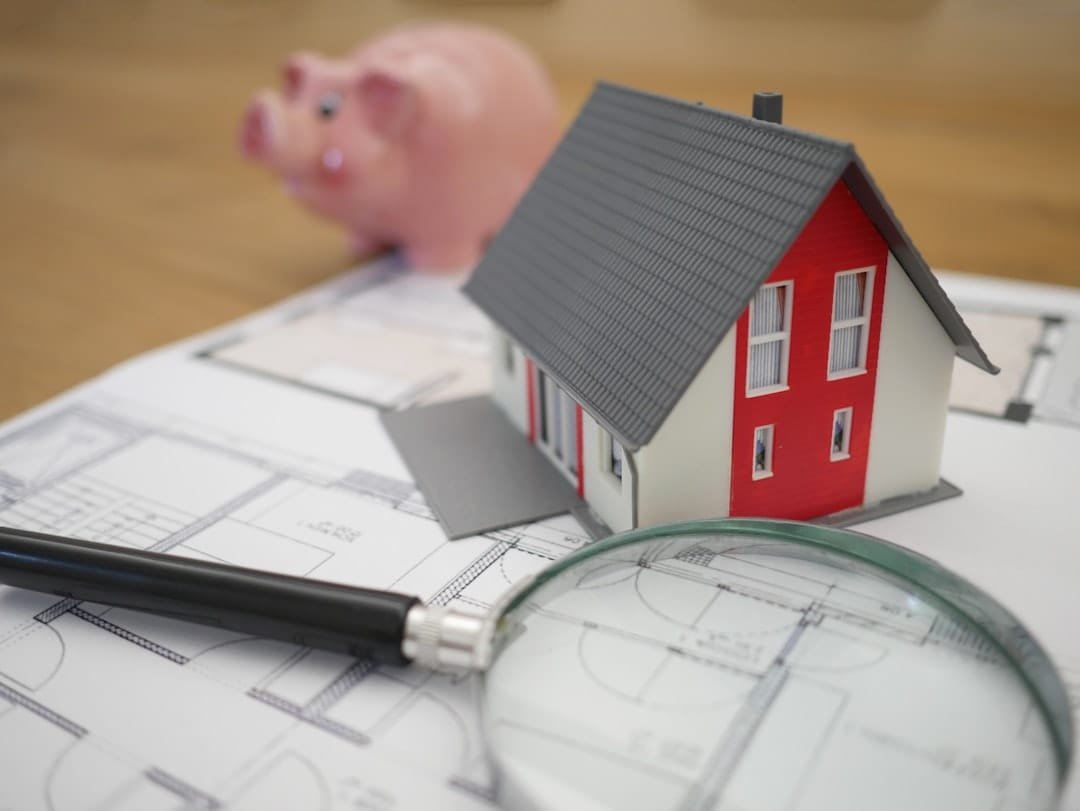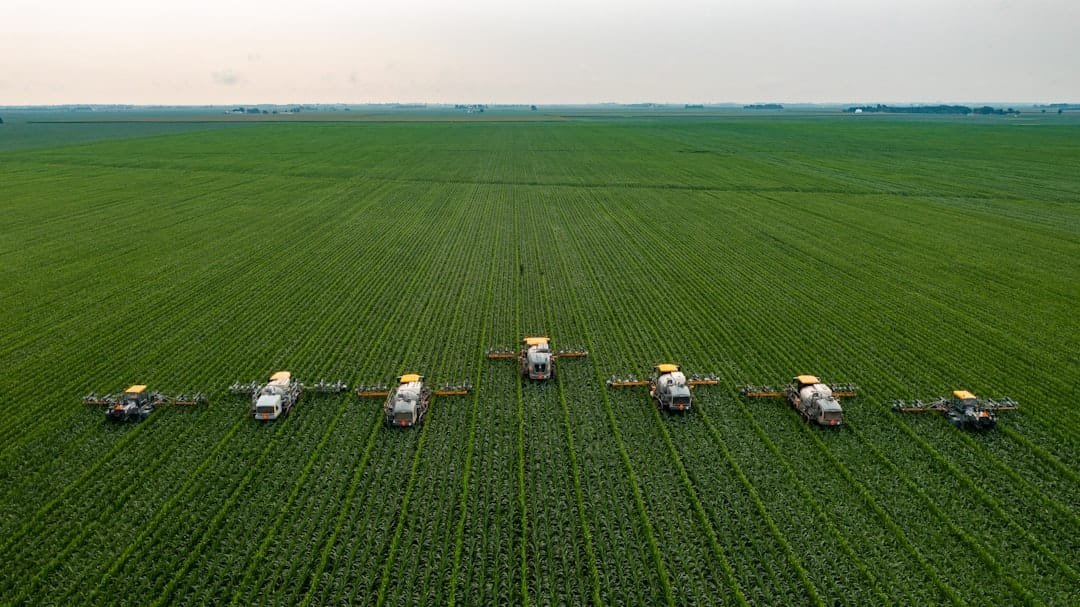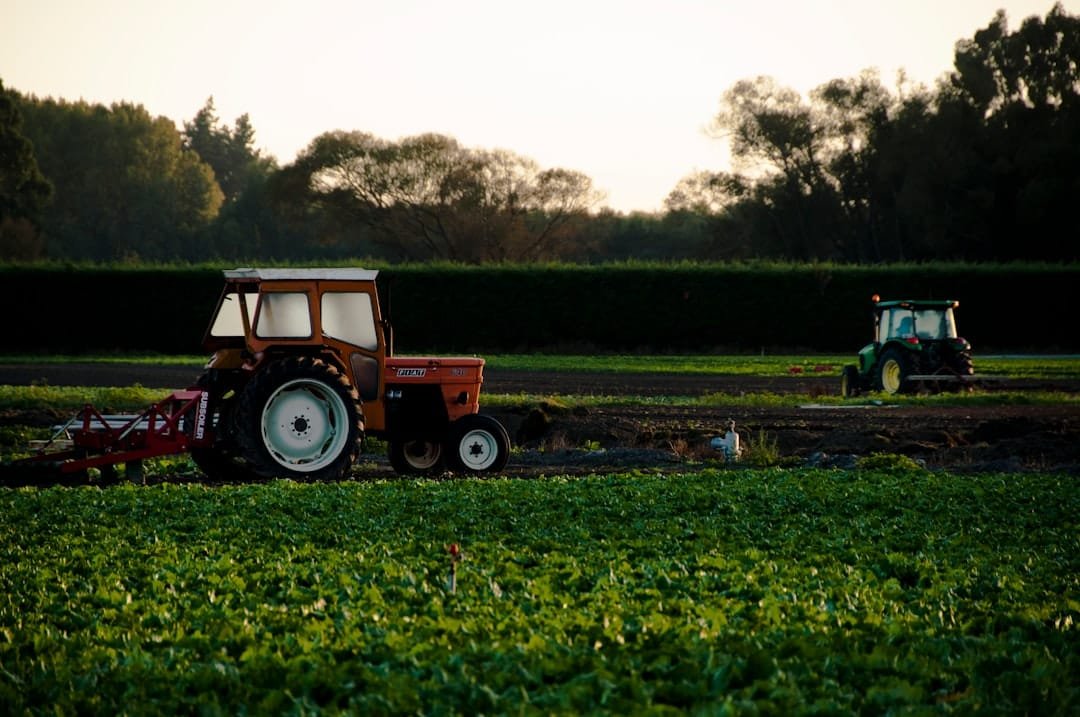
When we think about farm appraisal, we often consider it merely as a process of determining the monetary value of agricultural land and assets. However, the purpose of farm appraisal extends far beyond just assigning a price tag. It serves as a critical tool for various stakeholders, including farmers, investors, lenders, and estate planners. By understanding the true value of a farm, we can make informed decisions regarding investments, sales, and financing. This process helps us assess the viability of our agricultural operations and provides a foundation for strategic planning.
Moreover, farm appraisals play a significant role in estate planning and inheritance. As we consider the future of our farms, it becomes essential to have an accurate valuation to ensure that assets are distributed fairly among heirs. This not only helps in avoiding potential disputes but also aids in making decisions about whether to keep the farm within the family or sell it. In essence, a thorough appraisal can provide clarity and direction for our agricultural endeavors, ensuring that we are well-prepared for both present and future challenges.
When considering the complexities of farm appraisal, it’s essential to understand the licensing requirements for appraisers in the field.
A related article that provides valuable insights on this topic can be found at this informative resource, which outlines the different types of appraisal services available and their significance in the agricultural sector.
Enhancing Farm Value through Improvements
Farm Appraisal Metrics Value Total Land Area 100 acres Number of Buildings 5 Soil Quality Excellent Water Source Well As we seek to maximize our farm’s value, it is essential to consider potential improvements that can yield significant returns on investment. Simple enhancements such as upgrading irrigation systems or investing in soil health can lead to increased productivity and profitability. Additionally, modernizing facilities or investing in energy-efficient technologies can not only improve operational efficiency but also make our farms more attractive to potential buyers.
Furthermore, we should not overlook the importance of aesthetics in enhancing farm value. Well-maintained landscapes, attractive buildings, and organized layouts can create a positive impression on visitors and prospective buyers alike. By taking steps to improve both functionality and appearance, we position ourselves to achieve a higher valuation during an appraisal.
Market Trends and Farm Value
Please feel free to contact us for any appraisal services you may need.
Understanding current market trends is crucial for us as we assess our farm’s value. Agricultural markets are influenced by various factors such as global demand, trade policies, and climate conditions. For instance, shifts in consumer preferences toward organic or locally sourced products can impact the desirability of certain types of farms. By staying informed about these trends, we can make strategic decisions that align with market demands.Additionally, fluctuations in commodity prices can have a direct effect on farm valuations. When prices for crops or livestock rise, so too does the perceived value of farms producing those goods. Conversely, downturns in commodity prices can lead to decreased valuations. By keeping a pulse on market dynamics, we can better position ourselves for success and ensure that our farms remain competitive in an ever-evolving landscape.
Tax Implications of Farm Appraisal
Farm appraisals also carry significant tax implications that we must consider as part of our financial planning. Accurate valuations are essential for determining property taxes, estate taxes, and capital gains taxes when selling or transferring ownership of agricultural assets. An inflated appraisal could lead to higher tax liabilities than necessary, while an undervalued property might result in missed opportunities for tax benefits.
Furthermore, understanding how different types of improvements or changes in land use affect tax assessments is crucial for us as farm owners. For example, converting land from agricultural use to residential development may trigger different tax rates or incentives. By working closely with tax professionals and appraisers who understand these nuances, we can navigate the complexities of tax implications effectively.
Hiring the Right Appraiser for Your Farm
Choosing the right appraiser is one of the most critical steps in ensuring an accurate farm appraisal. We should look for professionals with experience specifically in agricultural properties and a deep understanding of local market conditions. Credentials such as certifications from recognized appraisal organizations can also indicate a level of expertise that is beneficial for our needs.
Additionally, it is essential to communicate openly with potential appraisers about our goals and expectations for the appraisal process. A good appraiser will take the time to understand our unique circumstances and tailor their approach accordingly. By fostering a collaborative relationship with our appraiser, we can ensure that we receive a comprehensive evaluation that meets our needs and supports our long-term objectives.
In conclusion, navigating the complexities of farm appraisal requires careful consideration of various factors ranging from market trends to tax implications. By understanding the purpose behind appraisals and engaging professional expertise, we position ourselves to make informed decisions that enhance our agricultural investments. As we continue to explore ways to improve our farms’ value while staying attuned to market dynamics, we pave the way for sustainable success in our agricultural endeavors.
FAQs
What is a farm appraisal?
A farm appraisal is the process of determining the value of a farm property, taking into account factors such as the land, buildings, equipment, and overall agricultural potential.
Why is a farm appraisal important?
A farm appraisal is important for various reasons, including determining the fair market value of the property for sale or purchase, obtaining financing, estate planning, and tax purposes.
Who conducts a farm appraisal?
A farm appraisal is typically conducted by a qualified and experienced real estate appraiser who specializes in agricultural properties. They will consider factors such as the location, soil quality, infrastructure, and potential income of the farm.
What factors are considered in a farm appraisal?
In a farm appraisal, factors such as the size and quality of the land, the condition and age of buildings and infrastructure, the productivity of the farm, market trends, and comparable sales in the area are all taken into consideration.
How long does a farm appraisal take?
The duration of a farm appraisal can vary depending on the size and complexity of the property. Generally, it can take anywhere from a few days to a few weeks to complete a thorough farm appraisal.