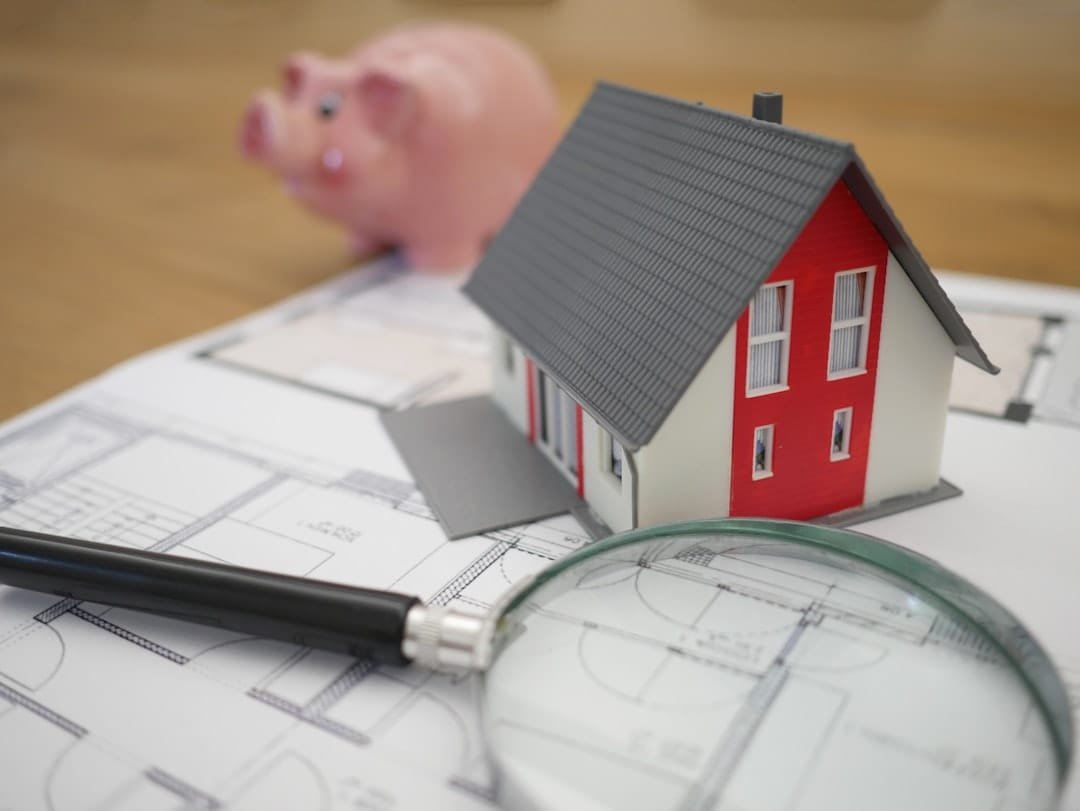
We often find ourselves in situations where the true value of a home becomes a paramount concern. Whether we’re buying, selling, refinancing, or even just planning our estate, understanding what a property is genuinely worth is not merely helpful, but absolutely essential. This is where residential appraisals step in, offering us a dispassionate, expert assessment that underpins so many crucial financial decisions. We, as homeowners, potential buyers, lenders, and even simply members of a community, rely on these appraisals to bring clarity and fairness to the complex world of real estate.
When we embark on any significant real estate transaction, we’re dealing with what is often our largest financial asset or liability. Without a clear and unbiased understanding of a property’s value, we’re effectively navigating a complex maze blindfolded. This is precisely why residential appraisals are so critical – they provide that essential illumination.
Protecting Our Investments as Buyers
As buyers, we’re eager to secure our dream home, but we also want to ensure we’re making a sound financial choice. We don’t want to overpay, and we certainly don’t want to invest in a property that might have hidden issues affecting its true worth. An appraisal serves as our independent watchdog.
- Preventing Overpayment: We rely on the appraiser to determine a fair market value. If the agreed-upon purchase price significantly exceeds this appraisal, it’s a red flag for us, signaling that we might be paying too much. This insight empowers us to renegotiate or reconsider, protecting our hard-earned capital.
- Ensuring Mortgage Approval: For most of us, a mortgage is indispensable. Lenders, in turn, rely heavily on appraisals. They want to ensure that the collateral (the home) is worth at least the amount they are lending. If the appraisal comes in low, we might struggle to secure the financing we need, or we might need to come up with a larger down payment.
- Revealing Potential Issues: While not a home inspection, an appraisal does involve a thorough visual inspection. Appraisers note significant defects or conditions that could impact value, alerting us to potential problems that we might want to investigate further with a dedicated inspector.
Empowering Our Sales Strategy as Sellers
When we decide to sell our home, we naturally want to maximize our return. However, pricing it correctly is a delicate balance. Price it too high, and we risk alienating potential buyers and having our property languish on the market. Price it too low, and we leave money on the table. An appraisal gives us an objective starting point.
- Setting Realistic Asking Prices: We often have an emotional attachment to our homes, which can cloud our judgment on its market value. An appraisal provides an unbiased, data-driven assessment, allowing us to set a competitive yet realistic asking price that attracts serious buyers.
- Justifying Our Price to Buyers: When buyers question our asking price, having a professional appraisal in hand can be a powerful tool. It provides an independent validation of our home’s worth, building trust and strengthening our negotiation position.
- Expediting the Sales Process: A property priced correctly from the outset is more likely to sell quickly. This saves us time, reduces holding costs, and minimizes the stress of a prolonged sales period.
Residential appraisals play a crucial role in determining the value of a property, especially for buyers and sellers in today’s competitive market. For those interested in understanding how rental properties are evaluated, you may find the article on market rental appraisals particularly insightful. It provides valuable information on the factors that influence rental property values and can help investors make informed decisions. To learn more, visit the article here: Market Rental Appraisal.
The Pillar of Mortgage Lending and Refinancing
For us, as borrowers seeking a mortgage or looking to refinance, and for lenders providing those financial products, residential appraisals are not just important; they are absolutely indispensable. Without them, the entire lending ecosystem would collapse into a precarious state of uncertainty.
Mitigating Risk for Lenders
Lenders, whether they are large banks or smaller credit unions, are in the business of managing risk. When they extend a loan secured by real estate, the property itself is their primary collateral. They need assurance that this collateral is sufficient to cover the loan amount should we default.
- Determining Loan-to-Value (LTV): This crucial ratio is calculated by dividing the loan amount by the appraised value of the property. Lenders have strict LTV requirements. A solid appraisal ensures that the property’s value supports the desired loan amount, allowing the lender to assess their risk exposure accurately.
- Protecting Against Market Fluctuations: While appraisals offer a snapshot in time, they provide a baseline value that helps lenders understand the potential impact of future market downturns. They want to ensure there’s enough equity cushion to absorb minor market shifts without putting their investment at undue risk.
- Compliance with Regulatory Standards: Lenders operate under stringent federal and state regulations that mandate appraisals for most mortgage transactions. This ensures fairness, transparency, and consumer protection within the lending industry.
Securing Favorable Terms for Borrowers
As borrowers, we benefit directly from the appraisal process. It allows us to access the financing we need and, ideally, on terms that are advantageous to us.
- Qualifying for Loans: A property’s appraised value is a key determinant of how much we can borrow. A strong appraisal helps us qualify for the loan amount we need to purchase or refinance our home.
- Achieving Lower Interest Rates: Lenders often offer better interest rates to borrowers with lower LTV ratios, meaning a higher appraised value relative to the loan amount. A good appraisal can therefore translate into significant savings over the life of our mortgage.
- Accessing Home Equity: When we want to tap into our home’s equity, for renovations, education, or other significant expenses, an appraisal is required to determine how much equity we actually have. This allows us to secure home equity loans or lines of credit (HELOCs) effectively.
Ensuring Fairness in Legal and Tax Matters

Beyond buying, selling, and lending, we encounter situations where property valuation becomes critical in legal and tax contexts. Here, the impartial nature of a residential appraisal is not just beneficial, but absolutely vital for ensuring equitable outcomes.
Equitable Division in Divorce Proceedings
When couples decide to part ways, dividing shared assets, particularly the family home, is often the most contentious aspect. Emotions can run high, making objective valuation difficult.
- Neutral Valuation for Asset Division: We rely on an independent appraisal to provide a fair and unbiased assessment of the home’s market value. This removes personal bias from the equation, helping both parties agree on a monetary figure for equitable division, whether one spouse buys out the other or the property is sold.
- Avoiding Disputes and Protracted Legal Battles: Without an objective appraisal, we often see protracted arguments over the home’s worth. A professional appraisal acts as a neutral third party, helping to mediate these disagreements and streamline the divorce process, saving both emotional distress and legal fees.
Establishing Fair Market Value for Estate Planning and Probate
As we plan for the future, or deal with the unfortunate event of a loved one’s passing, residential appraisals play a crucial role in managing inherited assets and estate taxes.
- Calculating Inheritance Taxes: When a property is part of an estate, its value at the time of death must be established for inheritance tax purposes. An appraisal provides this official valuation, ensuring compliance with tax laws and preventing potential penalties.
- Facilitating Equitable Inheritance: If multiple heirs are involved, an appraisal helps ensure that the property is divided fairly, or that its monetary equivalent is distributed equitably among beneficiaries, minimizing familial disputes.
- Basis Adjustment for Capital Gains: For heirs who later sell an inherited property, the appraised value at the time of death establishes the “stepped-up basis.” This is critical for calculating potential capital gains tax liability, allowing us to accurately determine profit or loss.
Supporting Property Tax Assessments and Appeals
We all pay property taxes, and those taxes are based on our home’s assessed value. If we believe our assessment is too high, an appraisal becomes our primary tool for challenging it.
- Challenging Over-Assessments: If we feel our property has been assessed at a value higher than its true market worth, a professional appraisal provides compelling evidence to support our claim during an appeal.
- Ensuring Fair Taxation: By using appraisals to contest inaccurate assessments, we contribute to a fairer and more equitable property tax system for all homeowners in our community. We ensure that we’re not shouldering an undue burden compared to our neighbors.
Sure, here is the sentence with the clickable link:
Learn more About Us at https://cappraisal.com/comprehensive-appraisal-services/.
The Expertise Behind the Valuation

When we talk about residential appraisals, we’re not just talking about a simple estimation. We’re referring to a comprehensive, data-driven process conducted by highly skilled and licensed professionals. Their expertise is what gives the appraisal its weight and reliability.
The Appraiser’s Qualifications and Independence
We understand that the integrity of the appraisal hinges on the appraiser’s qualifications and their commitment to impartiality. This is why strict regulations govern their profession.
- State Licensure and Certification: Appraisers undergo rigorous training, pass comprehensive exams, and adhere to continuing education requirements to maintain their state licenses or certifications. This ensures they possess the necessary knowledge and skills.
- Adherence to USPAP Standards: The Uniform Standards of Professional Appraisal Practice (USPAP) are the generally accepted ethical and performance standards for the appraisal profession in the United States. We trust that appraisers adhere to these standards, ensuring consistency, objectivity, and professionalism in their work.
- Unbiased Assessment: A critical aspect of an appraiser’s role is their independence. They are not beholden to the buyer, seller, or even the lender. Their sole objective is to provide an unbiased opinion of value, free from influence or pressure. This ensures the integrity of the entire valuation process.
The Comprehensive Appraisal Process
We often wonder what goes into an appraisal beyond just a quick walk-through. It’s a multifaceted process designed to capture every factor influencing a property’s value.
- Thorough Property Inspection: The appraiser conducts a detailed physical inspection of the property, noting its size, condition, amenities, features, and overall quality of construction. They also look for any significant deficiencies or needed repairs.
- Analysis of Comparable Sales (Comps): This is perhaps the most critical component. The appraiser researches recent sales of similar properties (comparables) in the immediate vicinity. They make adjustments for differences in size, age, condition, features, and location to arrive at an accurate comparison.
- Market Analysis: The appraiser doesn’t just look at individual properties; they also analyze broader market trends, including supply and demand, interest rates, economic conditions, and local employment figures, all of which impact property values.
- Valuation Approaches: While the sales comparison approach is dominant for residential properties, appraisers may also consider the cost approach (estimating replacement cost minus depreciation) and, less commonly for residential, the income approach (for income-generating properties).
- Detailed Report Generation: The culmination of their work is a comprehensive appraisal report. This document meticulously details their findings, methodology, and ultimately, their opinion of the property’s market value. We review this report to understand the basis of their valuation.
Understanding the intricacies of residential appraisals is crucial for both buyers and sellers in the real estate market. For those looking to delve deeper into this topic, a related article can provide valuable insights and guidance. You can explore more about the appraisal process and its significance in real estate transactions by visiting this informative brochure. This resource offers a comprehensive overview that can enhance your knowledge and help you navigate the complexities of property valuation.
Navigating Challenges and Understanding Limitations
“`html
| Year | Number of Appraisals | Average Appraisal Value |
|---|---|---|
| 2018 | 500 | 250,000 |
| 2019 | 550 | 265,000 |
| 2020 | 600 | 280,000 |
“`
While residential appraisals are incredibly valuable tools, we must also acknowledge that they are not infallible and come with certain limitations. Understanding these nuances helps us utilize appraisals more effectively and manage our expectations.
Appraisals as a Snapshot in Time
We sometimes forget that market conditions are fluid. An appraisal, by its very nature, provides an opinion of value at a specific point in time, usually the date of inspection.
- Market Volatility: In rapidly changing markets, an appraisal done even a few weeks prior might not fully reflect current conditions. We should be aware that significant market shifts can occur between the appraisal date and the closing date.
- Not a Guarantee of Sale Price: While highly influential, an appraisal is not a guarantee that a property will sell for that exact amount. The final sale price is always determined by a willing buyer and a willing seller in an open market.
Not a Substitute for Other Professional Services
While appraisers note visible deficiencies, their role is distinct from other specialists we might hire.
- Beyond a Home Inspection: We often confuse an appraisal with a home inspection. An appraiser assesses value, while a home inspector evaluates the structural and mechanical integrity of the home. We should always engage a professional home inspector for a detailed assessment of the property’s condition.
- Excluding Specialized Environmental Assessments: Appraisers typically do not conduct specialized environmental assessments for issues like mold, radon, asbestos, or lead paint. If we have concerns about these, we need to hire environmental specialists.
- Legal or Financial Advice: An appraisal offers a valuation, but it does not constitute legal or financial advice. We should always consult with attorneys and financial advisors for guidance on our specific circumstances.
Addressing Low Appraisals
When an appraisal comes in lower than the agreed-upon sale price, it can be a source of frustration for us, both as buyers and sellers. However, there are steps we can take.
- Reviewing the Report: Our first step should be to thoroughly review the appraisal report for any factual errors or overlooked comparable sales that might have impacted the valuation.
- Providing Additional Information: If we, as sellers, believe the appraiser missed something significant (e.g., a recent major renovation not easily visible or recent comparable sales that closed after the appraiser’s research period), we can provide this information to our lender (as buyers) or directly to the appraiser for reconsideration.
- Negotiation or Additional Funds: As buyers, a low appraisal often means we need to renegotiate the purchase price with the seller, come up with additional cash out of pocket to cover the gap, or unfortunately, walk away from the deal if a resolution cannot be reached. As sellers, we might need to adjust our price expectation or consider financing alternatives for the buyer.
In conclusion, we find that residential appraisals are far more than just a formality; they are a cornerstone of a healthy and transparent real estate market. They serve as an impartial arbiter of value, providing us with the critical information we need to make informed decisions, mitigate risks, and navigate the complexities of property ownership and finance. From the initial thrill of purchasing our first home to the difficult process of dividing assets in a divorce, the objective expertise of a qualified appraiser protects our interests, ensures fairness, and upholds the integrity of our most significant investments. We truly benefit from this vital service that underpins so much of our financial well-being.
FAQs
What is a residential appraisal?
A residential appraisal is an evaluation of a property’s value, typically conducted by a licensed appraiser. The appraisal takes into account various factors such as the property’s condition, location, and comparable sales in the area.
Why are residential appraisals important?
Residential appraisals are important because they provide an unbiased and professional opinion of a property’s value. Lenders use appraisals to determine the amount of a mortgage loan they are willing to provide, and buyers use them to ensure they are not overpaying for a property.
Who typically orders a residential appraisal?
Lenders are typically the ones who order residential appraisals when a borrower applies for a mortgage loan. However, homeowners may also order an appraisal if they are looking to sell their property or refinance their mortgage.
What factors do appraisers consider when conducting a residential appraisal?
Appraisers consider a variety of factors when conducting a residential appraisal, including the property’s size, condition, location, and any recent improvements or renovations. They also look at comparable sales in the area to determine the property’s market value.
How long does a residential appraisal take?
The time it takes to complete a residential appraisal can vary depending on the complexity of the property and the appraiser’s workload. In general, a residential appraisal can take anywhere from a few days to a few weeks to complete.