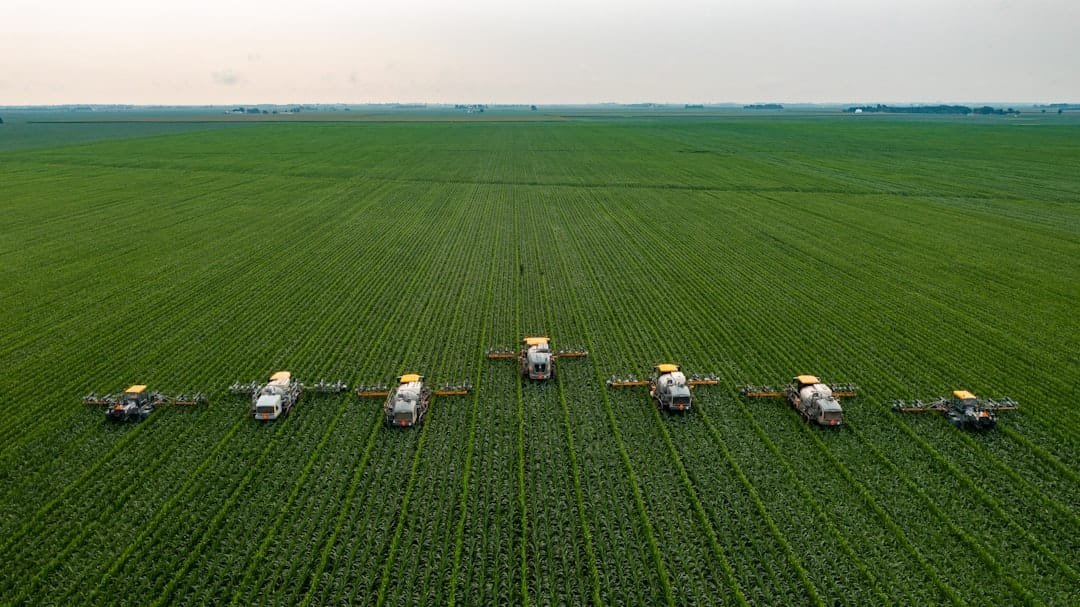
We understand that our land is more than just soil and trees; it’s an investment, a legacy, and a significant part of our collective future. As stewards of these valuable acres, we’re constantly seeking ways to enhance their worth, not just for ourselves but for generations to come. One of the most crucial, yet sometimes overlooked, aspects of maximizing this value lies in understanding the true worth of our agricultural holdings through professional appraisals. We often hear the term thrown around, but what does an agricultural appraisal truly entail, and why is it so vital for us, as landowners, to prioritize them?
We can’t effectively manage or leverage something if we don’t thoroughly understand its intrinsic value. This is where the agricultural appraisal comes into play. It’s a systematic and comprehensive process undertaken by qualified professionals to determine the fair market value of agricultural land and its associated assets. It’s far more than a quick glance at comparable sales; it’s an in-depth analysis that considers a multitude of factors, painting a detailed picture of our property’s worth. For us, this process is fundamental to making informed decisions, whether we’re looking to sell, purchase, refinance, or simply understand the true financial health of our agricultural investments. It provides a concrete, objective baseline that we can then use as a foundation for all our subsequent planning.
What Constitutes an Agricultural Appraisal?
We often assume an appraisal is a simple valuation, but for agricultural land, it’s a specialized field. An agricultural appraisal considers the unique characteristics and potential of rural properties, differentiating them from residential or commercial real estate. This involves a meticulous examination of the land itself, including its soil types, topography, water resources, and existing infrastructure. Beyond the physical attributes, it delves into the income-generating potential of the land, taking into account current agricultural markets, crop yields, livestock carrying capacity, and any existing leases or contracts. This detailed assessment ensures that the appraisal isn’t just a number, but a reflection of the land’s productive capacity and its ability to generate ongoing economic returns.
The Role of the Appraiser
We need to recognize the expertise of the individuals conducting these appraisals. Agricultural appraisers are not just real estate agents; they are specialized professionals with extensive knowledge of agricultural economies, agronomy, soil science, and land valuation methodologies. They understand the nuances of different agricultural uses – from row crops and orchards to livestock operations and timberland. Their expertise allows them to identify factors that might not be immediately apparent to the untrained eye, such as the long-term fertility of the soil, the efficiency of irrigation systems, or the potential for future development. We rely on their objectivity and their ability to translate complex data into a clear and defensible valuation.
Differentiating Agricultural Appraisals from General Real Estate Appraisals
The distinction here is critical for us. While a general real estate appraisal might focus on factors like location, square footage, and market trends for typical housing, an agricultural appraisal dives much deeper into the specifics of rural productivity. For example, the “highest and best use” analysis for agricultural land might consider its current use as a farm, but also its potential for development, a conservation easement, or even renewable energy projects. A general appraisal would likely not possess the specialized knowledge to accurately assess the value of irrigation rights, or the economic impact of a specific soil type on a particular crop. This specialized lens is what makes an agricultural appraisal invaluable for our unique holdings.
Agricultural appraisals play a crucial role in determining the value of farmland and agricultural properties, which can significantly impact investment decisions and financial planning for farmers and landowners. For those interested in understanding the nuances of property valuation, a related article can be found at Home Appraisal Near Me, which discusses various factors influencing property appraisals and offers insights into the appraisal process. This resource can provide valuable information for anyone looking to navigate the complexities of agricultural property assessments.
Unlocking Financial Opportunities with Accurate Valuations
Our land’s value is a direct reflection of its financial potential. When we have an accurate appraisal, it unlocks a suite of financial opportunities that might otherwise remain out of reach. This objective valuation serves as a powerful tool in securing favorable financing, negotiating better deals, and even planning for tax implications. We can’t afford to leave money on the table or make financial decisions based on assumptions; a solid appraisal provides the data we need to make informed and impactful choices.
Securing Favorable Financing and Loans
For us, access to capital is often essential to investing in our farms, purchasing new equipment, or expanding our operations. Lenders, whether they are traditional banks or specialized agricultural lenders, rely heavily on appraisals to assess the risk involved in providing loans. A well-prepared and comprehensive agricultural appraisal demonstrates the underlying value of our land as collateral, building confidence and often leading to lower interest rates, higher loan amounts, and more flexible repayment terms. It’s our tangible proof of worth to the financial institutions. Without it, we might be perceived as higher risk, limiting our borrowing power.
Strategic Negotiation in Sales and Purchases
Whether we are looking to expand our acreage or to divest of a portion of our land, negotiation is key. An accurate appraisal provides us with a powerful negotiation tool. When selling, it helps us set a realistic asking price based on market realities, preventing us from underselling our property. When buying, it allows us to make an informed offer, ensuring we don’t overpay and that the purchase aligns with our investment goals. It removes the emotional aspect from the negotiation and grounds the discussion in objective financial data, leading to more successful and mutually beneficial transactions. We can confidently stand behind our price or our offer when it’s supported by expert analysis.
Estate Planning and Generational Wealth Transfer
The legacy we build on our land is often intended to be passed down. Estate planning and the transfer of wealth to future generations are complex processes where accurate land valuations are paramount. An up-to-date appraisal provides a clear understanding of the value of our agricultural assets, which is crucial for calculating estate taxes, distributing assets fairly among heirs, and minimizing potential disputes. It ensures that our hard-earned land is transferred smoothly and efficiently, preserving its value and our family’s financial stability for the future. This is about more than just a number; it’s about ensuring the continuity of our agricultural enterprise and our family’s well-being.
Insurance and Risk Management
Protecting our investment is as important as growing it. Accurate appraisals play a vital role in ensuring we have adequate insurance coverage. In the event of a natural disaster, fire, or other insurable event, a comprehensive appraisal ensures that our insurance policy reflects the true replacement cost or market value of our land and any improvements. This prevents underinsurance, which could leave us with significant financial gaps and severe setbacks in recovering from a loss. It’s our safeguard against unforeseen circumstances and a critical component of our risk management strategy.
Maximizing Productivity through Land Use Assessments

Our land’s productivity is its ultimate economic driver. An agricultural appraisal goes beyond a simple valuation; it often includes a thorough assessment of the land’s highest and best use, guiding us toward the most profitable and sustainable ways to utilize our acreage. This isn’t just about planting crops; it’s about understanding the full potential of every acre and ensuring we’re making the most of our natural resources.
Identifying the Highest and Best Use
This is a crucial component of any comprehensive agricultural appraisal. The appraiser will analyze the land’s physical characteristics, market demand, economic feasibility, and legal permissibility to determine its most profitable and sustainable use. This might mean confirming that its current use as a productive farm is indeed its highest and best use, or it could reveal opportunities for diversification, such as transitioning to a higher-value crop, developing agritourism ventures, or even exploring renewable energy installations like solar farms. For us, this assessment is a roadmap to optimizing our land’s economic output. We want to ensure we’re not leaving money on the table by continuing a less profitable land use.
Evaluating Soil Health and Fertility
The foundation of any agricultural operation is its soil. Appraisals often include detailed analyses of soil types, pH levels, nutrient content, and drainage characteristics. This information is invaluable for us in understanding the land’s inherent fertility and its suitability for various crops. It can inform decisions about soil amendments, fertilization strategies, and crop rotation, all of which directly impact yield and profitability. A healthy soil leads to productive crops, which directly translates to increased land value.
Assessing Water Resources and Irrigation Potential
Water is a critical resource for agriculture. Appraisals will evaluate the availability and quality of water sources, including wells, ponds, streams, and any associated water rights. The presence of efficient irrigation systems or the potential to install them can significantly enhance land value and productivity. Understanding our water resources allows us to plan for crop selection, irrigation efficiency, and drought resilience, all vital for long-term success.
Analyzing Infrastructure and Improvements
Beyond the land itself, existing infrastructure and improvements contribute significantly to value. This includes fences, barns, storage facilities, livestock housing, and any residential structures. Appraisers will assess the condition, functionality, and economic contribution of these assets. For us, maintaining and upgrading these improvements can be a strategic way to increase our land’s overall market value and operational efficiency.
Learn more about our comprehensive appraisal services at About Us.
The Lifelong Benefits of Regular Appraisals
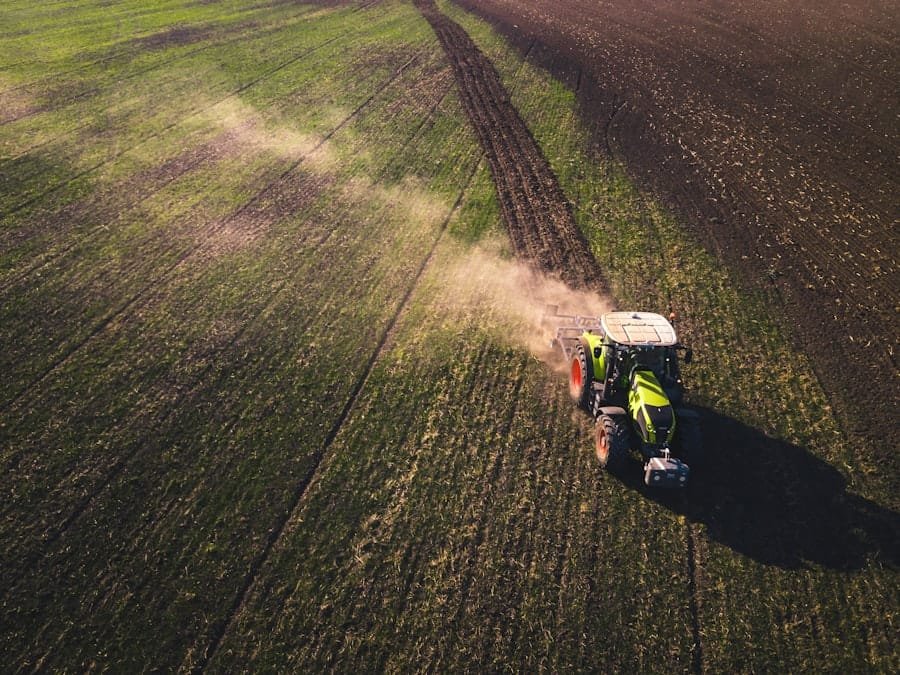
Our agricultural landscape is dynamic, and so is its value. Market conditions shift, agricultural practices evolve, and our properties themselves change over time. This is why we can’t treat an appraisal as a one-time event. Regular, periodic appraisals provide us with ongoing insights and ensure we’re always operating with the most current and accurate information.
Staying Ahead of Market Fluctuations
The agricultural market is subject to various influences, from global commodity prices and weather patterns to government policies and technological advancements. Regular appraisals help us stay informed about these fluctuations and adapt our strategies accordingly. Knowing the current market value of our land allows us to make timely decisions about buying, selling, or refinancing, ensuring we capitalize on favorable market conditions and mitigate potential losses during downturns. It’s about being proactive, not reactive.
Supporting Strategic Land Management
Our land management practices are constantly evolving based on new research, technological innovations, and our own experiences. Regular appraisals can help us assess the impact of these changes on our land’s value. For example, investing in sustainable farming practices or implementing new conservation techniques might increase our land’s appeal to a wider range of buyers or lenders, thereby boosting its market value. This feedback loop between appraisal and management is essential for continuous improvement.
Facilitating Objective Decision-Making
In the complex world of agriculture, emotions can sometimes cloud judgment. An objective appraisal provides a data-driven foundation for our decisions, helping us move past personal biases and focus on what makes the most financial sense. Whether it’s deciding whether to invest in a significant improvement, pursue a new market, or downsize our operations, a current appraisal offers an unbiased perspective that can lead to more sound and prosperous outcomes.
Agricultural appraisals play a crucial role in determining the value of farmland and agricultural assets, which can significantly impact investment decisions and financial planning. For those interested in understanding the legal aspects of property valuation, a related article discusses the importance of expert witness testimony in appraisal cases. This insightful piece can provide valuable information on how expert opinions can influence court decisions and the overall appraisal process. You can read more about it in the article on expert witness testimony.
Partnering with Professionals for Optimal Results
“`html
| Year | Number of Appraisals | Average Appraised Value |
|---|---|---|
| 2018 | 500 | 250,000 |
| 2019 | 550 | 275,000 |
| 2020 | 600 | 300,000 |
“`
We’ve established that agricultural appraisals are complex and require specialized knowledge. To truly maximize our land’s value, we need to actively seek out and partner with qualified professionals who understand the intricacies of our industry. This partnership ensures we receive accurate, reliable, and actionable valuations.
Selecting a Qualified Agricultural Appraiser
This is arguably the most critical step. We need to look beyond generic appraisers and seek out those with specific experience and credentials in agricultural property valuation. We should inquire about their knowledge of local markets, their understanding of various agricultural uses, and their professional designations (such as MAI or SRPA, which often indicate advanced training). Checking references and asking for examples of similar appraisals they’ve completed can provide valuable insight into their capabilities. Our investment in our land deserves the expertise of a specialist.
The Collaborative Process
We shouldn’t view the appraisal process as a purely professional service that happens in isolation. We should actively engage with the appraiser. This means being prepared to provide them with all relevant information about our land, including historical yield data, maintenance records, any existing easements or restrictions, and our long-term plans for the property. The more information we can provide, the more accurate and comprehensive the appraisal will be. This collaborative approach ensures the appraiser has a complete picture of our operations and aspirations.
Leveraging Appraisal Reports for Future Actions
Once we receive an appraisal report, its value extends far beyond a single document. We should carefully review the report, understand its findings, and use it as a springboard for future actions. This might involve developing a plan to address any identified deficiencies, capitalizing on suggested land use opportunities, or using the valuation to inform our financial projections. An appraisal is not just a snapshot in time; it’s a tool that guides our ongoing strategy for managing and enhancing our land’s value.
In conclusion, for us, embracing the importance of agricultural appraisals is not just about understanding our land’s current worth; it’s about actively shaping its future value. It’s a strategic imperative that unlocks financial opportunities, guides our land management practices, and ensures the enduring legacy of our agricultural endeavors. By partnering with qualified professionals and leveraging the insights gained from regular, comprehensive appraisals, we can confidently navigate the complexities of the agricultural market and ensure our land continues to be a source of prosperity and pride for us and for generations to come.
FAQs
What is an agricultural appraisal?
An agricultural appraisal is the process of determining the value of a piece of agricultural land or property. This can include factors such as soil quality, water availability, crop potential, and market conditions.
Why are agricultural appraisals important?
Agricultural appraisals are important for a variety of reasons, including determining the value of a property for sale or purchase, securing financing, estate planning, tax assessments, and resolving legal disputes.
Who conducts agricultural appraisals?
Agricultural appraisals are typically conducted by certified real estate appraisers who specialize in agricultural properties. These professionals have the knowledge and expertise to accurately assess the value of agricultural land and properties.
What factors are considered in agricultural appraisals?
In addition to the standard factors considered in real estate appraisals, such as location and property condition, agricultural appraisals also take into account factors specific to agricultural properties, such as soil quality, water rights, crop yields, and potential income from farming or ranching.
How long does an agricultural appraisal take?
The length of time it takes to complete an agricultural appraisal can vary depending on the size and complexity of the property. However, most agricultural appraisals can be completed within a few weeks, with larger or more complex properties taking longer to assess.